Omron, Kansai Electric Unit Trade Solar-plus-battery Frequency Control on Japan Balancing Market
Omron Field Engineering and Osaka-based E-Flow began selling primary frequency regulation from batteries paired with high-voltage solar transitioning off feed-in tariffs, starting at a Nagasaki plant in May 2026.
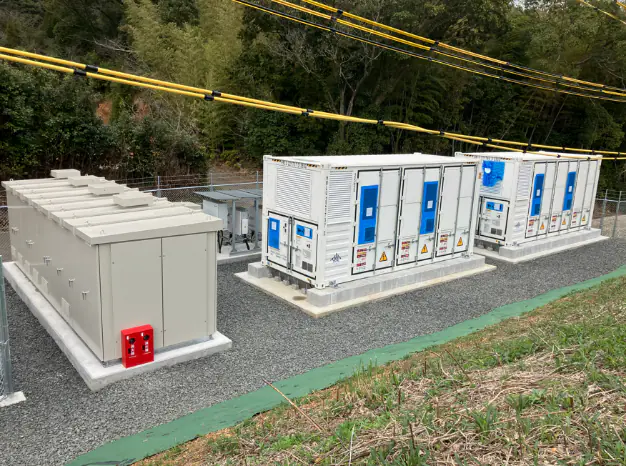
OSAKA — Omron Field Engineering and E-Flow, a wholly owned subsidiary of Kansai Electric headquartered in Osaka’s Chuo ward, began trading battery-backed solar generation as primary frequency regulation on Japan’s balancing market, with the first site going live May 27 at a Nagasaki Prefecture plant owned by Torch International.
The partners deploy batteries alongside high-voltage solar plants switching from fixed feed-in tariffs (FIT) to feed-in premiums (FIP). Omron, acting as resource aggregator, controls the batteries to respond to real-time grid frequency shifts while E-Flow handles market bidding and settlement as aggregation coordinator. The companies did not disclose contract values or battery capacities. Additional sites now under construction or permitting will enter the market in sequence.
Japan’s balancing market, launched to stabilize supply and demand as renewable penetration grows, requires fast battery response; Omron applies control algorithms from its parent Omron Social Solutions. E-Flow, founded in 2023, operates Kansai Electric’s distributed-energy trading platform K-VIPs+.
Why it matters: Co-located batteries can meet grid-stability contracts despite variable solar generation, opening a revenue model for aging renewable assets after leaving the FIT program. The aggregator-plus-trading-desk structure offers a template for scaling distributed resource participation.