iPS Cardiac Cell Sheet Approved for Public Insurance Coverage
Osaka based Cuorips Inc. has secured national insurance reimbursement at ¥53.2 million per treatment for Riheart, an iPS cell-derived cardiac therapy for severe heart failure, with sales launch set for September 1, 2026.
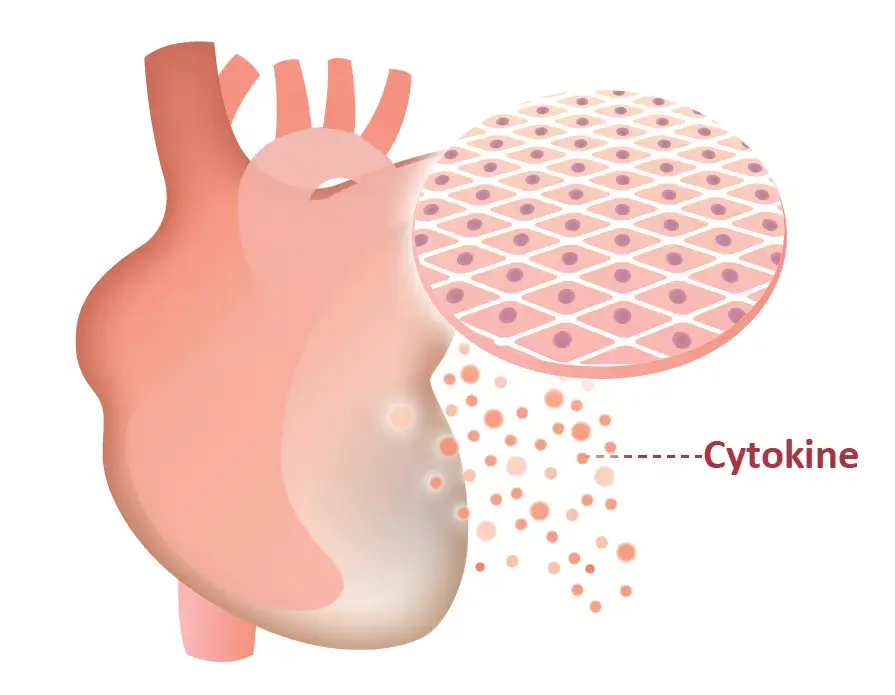
TOKYO — Cuorips received insurance reimbursement approval Wednesday for RiHeart, its iPS cell-derived cardiac cell sheet, at ¥53.2 million (roughly $326,400) per treatment, clearing the final regulatory hurdle before commercial launch.
The Central Social Insurance Medical Council approved the pricing using a cost-accounting method with a 10% market premium, recognizing RiHeart as a C2 category product — new function and new technology. The therapy treats severe heart failure from ischemic cardiomyopathy in patients who have not responded to standard drug or invasive treatments. Cuorips obtained conditional manufacturing approval March 6; insurance coverage and sales begin September 1.
The company said it is receiving inquiries from overseas and is pursuing global expansion following the domestic launch. Cuorips’ corporate release does not specify manufacturing capacity or initial sales targets. The company’s forecast for the fiscal year ending March 2027 already projects a net loss of roughly ¥1.39 billion, though it’s unclear whether that forecast has been updated to reflect the confirmed RiHeart reimbursement price. stockopedia
RiHeart traces back to Osaka University, where Professor Yoshiki Sawa (now CTO at Cuorips) began researching iPS-derived cardiomyocytes in 2008 in collaboration with Professor Shinya Yamanaka, the Nobel laureate who pioneered iPS cell technology. Sawa’s lab spent nearly two decades refining the technique, from early animal studies through the first human transplants in 2020, before Cuorips was spun out to commercialize the therapy.
Why it matters: The ¥53.2 million reimbursement establishes concrete economics for iPS-based regenerative therapies in Japan — a critical validation point for foreign investors tracking commercialization pathways in the sector, and it marks only the second iPS-derived product (after Sumitomo Pharma’s Parkinson’s therapy Amchepry) to secure public insurance coverage in the country.